

Introduction: Understanding Search Intent
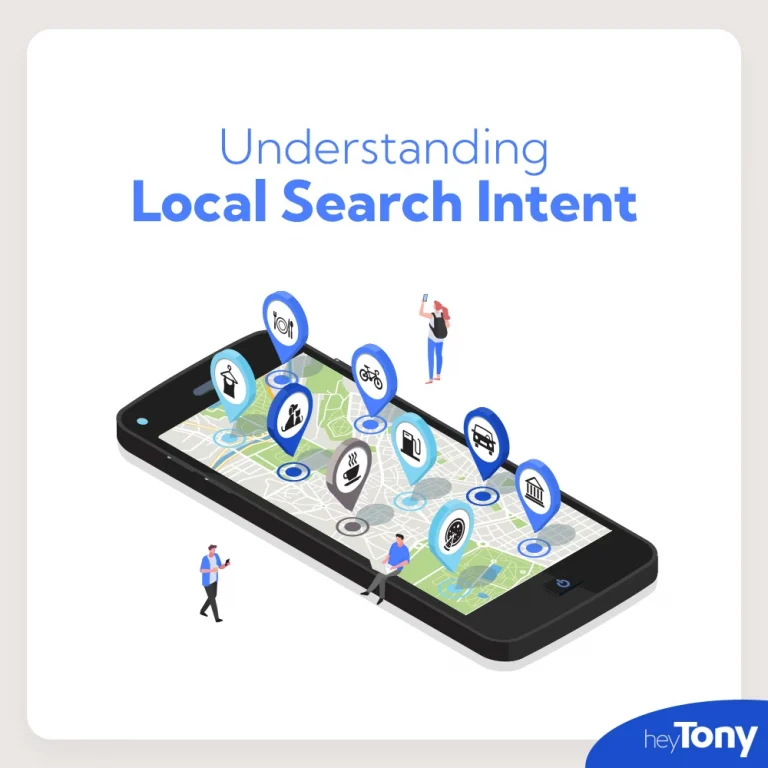
Search intent, or user intent, refers to the reason behind a search query—what the user hopes to find. Matching your keywords to the intent behind searches ensures higher relevance, better user experience, and improved SEO performance. Intent typically falls into four categories:
- Informational Intent: Users seek information or answers (e.g., “how to use keyword tracking software”).
- Navigational Intent: Users look for a specific website or page (e.g., “Rankscout homepage”).
- Transactional Intent: Users intend to make a purchase or complete a conversion (e.g., “buy best keyword rank tracker”).
- Commercial Investigation: Users are researching before making a decision (e.g., “best SEO rank tracking tool comparison”).
Step 1: Identify Core Themes and Audience Personas
Begin by defining the main topics relevant to your niche or business. Draft audience personas—including demographics, interests, pain points, and goals—to understand their search behaviors. This alignment ensures your keyword list targets the right questions and needs. .
Step 2: Generate Seed Keywords
Use a mix of internal and external sources to compile seed keywords:
- Internal Sources: Product pages, blog titles, FAQs, and existing content.
- External Sources: Google’s Keyword Planner, Ubersuggest, SEMrush, Ahrefs, and Answer the Public.
Capture both broad and long-tail variations, noting the type of intent each aligns with (informational, navigational, transactional, or commercial investigation).
Step 3: Expand Using Advanced Tools
Leverage advanced keyword research tools to deepen your list:
- Ahrefs/SEMrush: Input seed keywords to retrieve related terms, search volume data, and difficulty scores.
- Google Keyword Planner: Gauge monthly search volumes and competition levels.
- Answer the Public: Visualize questions and “how-to” queries around your seeds, highlighting long-tail opportunities.
Step 4: Align Keywords with Search Intent
For each keyword, determine the dominant intent:
- Analyze SERP Features: Review the top organic results—note if they are FAQ snippets, product listings, or blog posts.
- Map Intent Types: Classify each keyword as informational, navigational, transactional, or commercial investigation.
- Prioritize High-Intent Keywords: Focus on transactional and commercial investigation terms for conversions, and informational terms for authority building.
Step 5: Validate with Competitor Analysis
Identify top competitors ranking for your seed keywords and export their keyword profiles using a rank tracking tool like Rankscout, the best keyword rank tracker. Spot gaps—keywords competitors rank for but that align with your offer and intent.
Step 6: Prioritize and Build the Final Keyword List
Score and rank keywords using a simple rubric across four dimensions (search volume, difficulty, relevance, commercial intent). Select the highest-scoring keywords that match your target intent and business goals.
Step 7: Monitor Performance with Rank Tracking Tools
Set up daily rank tracking software and keyword ranking report software to continuously monitor how your keywords perform against search intent:
- Daily Rank Tracking Tools: Receive real-time alerts for ranking changes.
- Automated Rank Position: Configure automated updates to ensure ongoing visibility.
- Search Engine Position Reports: Generate weekly or monthly reports for strategic adjustments.
Step 8: Optimize Content and Refine
Once your keyword list is built, align your content with each keyword’s intent:
- Title Tags & Meta Descriptions: Embed primary keywords naturally while reflecting the intent (e.g., include “guide” for informational intent).
- Header Tags (H1, H2, H3): Use secondary keywords in headers to reinforce topical relevance.
- Content Creation: Develop comprehensive, intent-aligned articles—FAQs for informational, product pages for transactional, and comparison posts for commercial investigation.
- Technical SEO: Ensure fast loading, mobile responsiveness, and structured data markup to support rankings.
Conclusion: A Keyword List Aligned with Intent
Building a keyword list that matches search intent is pivotal for SEO success. By understanding user motivations, leveraging advanced research tools, validating through competitor analysis, and continuously monitoring performance with keyword tracking software and daily rank tracking tools, you create a targeted, high-converting portfolio of keywords.
Ready to construct a keyword list that resonates with search intent and drives results? Start your free trial of Rankscout today—your premier best keyword rank tracker with daily rank tracking software, automated rank position alerts, and comprehensive search engine position reports. Top up your tokens and watch your SEO strategy soar!