

Introduction
Building a predictable organic growth engine in modern search environments requires moving beyond surface-level metrics and vague monthly traffic averages. Business operators, agency leaders, and digital sales teams frequently struggle with maintaining consistent visibility across shifting search engine result pages. When companies guess where their organic footprint stands, they inevitably waste capital on misaligned content strategies, miss lucrative search trends, and lose ground to agile competitors. Transitioning from reactive speculation to proactive growth demands a rigorous framework focused on localized position monitoring dynamics. Understanding how search terms behave across distinct markets and user environments provides the structural baseline necessary for sustainable operational expansion.
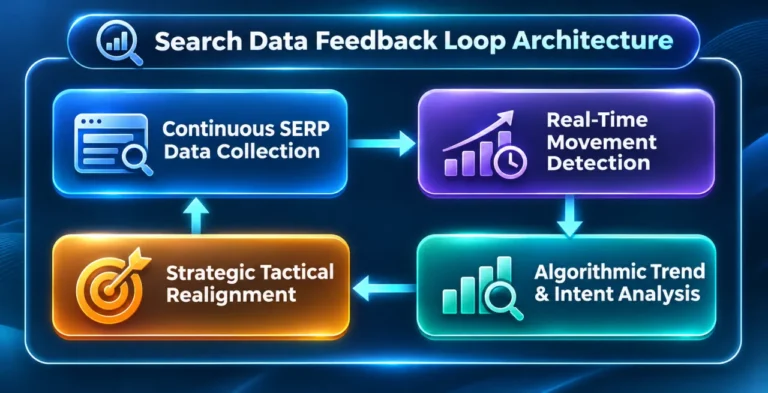
Modern organic search performance relies on immediate feedback loops. Search algorithms update continuously, recalibrating domain authority, search intent alignment, and content freshness flags in real time. Organizations that evaluate their performance once a month operate at a severe strategic disadvantage. By analyzing localized position monitoring dynamics continuously, decision-makers spot subtle volatile shifts before they blossom into severe revenue drops. Real-time data visibility allows digital marketing teams to audit performance fluctuations, isolate underlying technical issues, and adjust tactical executions with surgical precision. This data-backed control mechanism transforms search optimization into a predictable, scalable asset for growing enterprises.
Mastering Modern Keyword Tracking Mechanics Across Enterprise Markets
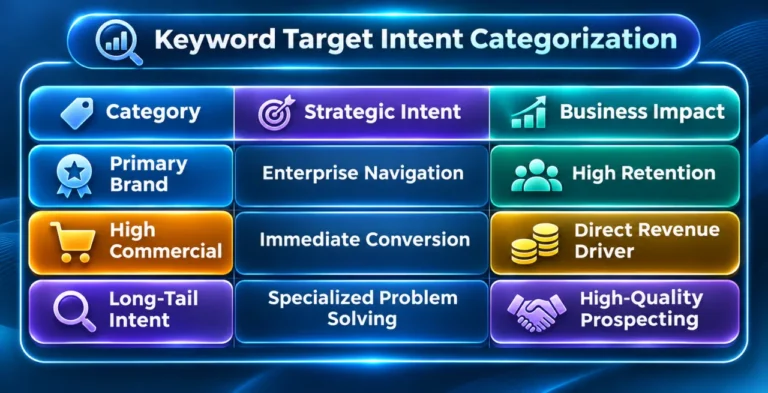
Selecting and tracking high-value search queries is the backbone of any commercially viable search engine optimization initiative. Keywords are not static tags; they represent specific consumer buying intents, information seeking behavior, and commercial pain points. Enterprise organizations must establish rigorous monitoring protocols around primary brand keywords, high-intent commercial terms, and long-tail transactional phrases. Evaluating modern localized position monitoring dynamics across these distinct categories ensures that strategy remains directly connected to bottom-line business metrics rather than vanity impressions.
Market conditions shift rapidly based on seasonal demand, consumer sentiment, and competitive entry. When digital strategists consistently analyze targeted keyword sets, they gain granular insights into broader industry transformations. Observing a gradual decline across a commercial phrase category often signals that competing sites are expanding their digital footprint or targeting revised search intents. Conversely, sudden spikes in secondary long-tail phrase performance indicate emerging market opportunities ready for scaled investment. Tracking these underlying dynamics protects businesses from market obsolescence while highlighting high-ROI expansion pathways.
Effective query management also demands evaluating search performance within specific geographical boundaries. Universal search visibility no longer exists in modern search ecosystems, as results vary significantly based on user location, regional intent variations, and localized algorithm adjustments. Establishing continuous monitoring across strategic geographic nodes provides an accurate picture of actual market penetration. Digital strategy teams can evaluate whether regional campaigns are acquiring expected market share or if localized search anomalies are diluting overall brand visibility.
Transforming Data Analytics into Demonstrable Business Return on Investment
Data holds minimal enterprise value unless it can be translated into clear, actionable business strategies. For sales professionals, agency executives, and internal stakeholders, organic search metrics must clearly connect to commercial performance. Relying on complex, unorganized raw data streams breeds confusion and undermines confidence among non-technical leadership. Applying structured localized position monitoring dynamics converts raw search metric outputs into compelling narratives that showcase continuous progress and quantifiable return on investment.
Comprehensive analytics reporting bridges the communication gap between technical execution teams and executive decision-makers. Visualizing performance trends, tracking historical trajectory curves, and displaying keyword growth distribution charts proves the tangible value of ongoing digital investments. When stakeholders visually observe how strategic content optimizations directly drive upward movement across high-converting search queries, conversation naturally shifts from cost containment to strategic reinvestment. Clear visual proof eliminates client skepticism and aligns all organizational leaders around long-term digital initiatives.
Demonstrating quantifiable digital progress is equally vital for client retention and agency operations. Executive leaders demand transparency, requiring concrete metrics that illustrate market capture over defined operational cycles. Structuring search performance reports around strategic key performance indicators ensures that strategic conversations focus on actual commercial growth. Highlighting position gains across targeted keyword clusters validates campaign efficacy, protects service retention metrics, and positions operational teams as essential growth partners rather than optional vendors.
Strategic Search Engine Visibility Controls and Competitor Analysis
Maintaining a market-leading position requires continuous evaluation of competitor movements alongside internal performance metrics. Organic rankings exist in a zero-sum environment: every position gained by a competitor represents potential visibility lost for your domain. Implementing systematic localized position monitoring dynamics allows organizations to maintain vigilant competitive oversight. Tracking how competing domains perform across shared keyword universes uncovers strategic content gaps, link acquisition pushes, and aggressive market entry initiatives before they erode your organic baseline.
Competitive tracking empowers digital strategy teams to deploy targeted countermeasures immediately. When an industry rival begins climbing the rankings for valuable commercial queries, early detection allows content teams to refresh existing resources, expand context depth, and reinforce technical domain foundations. Rather than reacting months after traffic has vanished, continuous market monitoring enables proactive defensive tactics that safeguard primary revenue channels.
Competitive visibility analysis reveals untapped market opportunities. Identifying target keywords where primary market competitors exhibit declining performance or weak search intent alignment provides immediate targets for strategic expansion. Capitalizing on competitor vulnerabilities allows fast-moving organizations to secure premium SERP placement with optimized resource expenditure, accelerating market share acquisition while minimizing execution risks.
Operational Execution Guidelines for Sustainable Organic Growth
Translating organic rank tracking theory into operational execution requires establishing standardized analytical workflows. Consistent monitoring schedules, defined alert thresholds for ranking drops, and structured content revision protocols ensure that data insights lead directly to corrective action. Strategy teams must establish clear operational boundaries, distinguishing minor daily rank fluctuations from systemic algorithmic shifts or technical site degradation.
Integrating rank tracking insights with broader digital marketing operations amplifies overall channel performance. Search visibility data should directly inform content calendar planning, paid search keyword bidding strategies, and digital public relations focus areas. When paid acquisition teams identify keywords experiencing temporary organic drops, they can temporarily increase paid search coverage to protect lead flow volume. Simultaneously, content creators can prioritize updates for pages slipping from top tier positions, creating a unified cross-channel strategy for search dominance.
Long-term organic expansion depends on maintaining rigorous historical performance baselines. Documenting how technical updates, content additions, and site redesigns influence search position dynamics over quarterly and annual time horizons builds an invaluable organizational knowledge base. Understanding historical domain performance trends enables leadership to refine forecasting models, allocate capital effectively, and build scalable digital operations capable of weathering broader search algorithm evolutions.
To turn these continuous tracking strategies into an effortless daily workflow, modern digital teams rely on specialized rank tracking solutions. Platforms like Rankscout simplify complex search data management by delivering real-time rank tracking, location-specific visibility insights, visual analytics reporting, and streamlined multi-client account controls—all powered by a flexible token top-up system. To experience how seamless localized position monitoring dynamics can transform your agency or enterprise growth, explore the platform today by taking advantage of instant account setup and intuitive token-based feature expansion.