

Introduction
If you’ve ever wondered why some businesses consistently appear at the top of local search results while others struggle to gain visibility, you’re not alone. Improving local search rankings is one of the most common goals for businesses that want to attract more customers from their surrounding communities.
The good news is that higher rankings aren’t reserved for large companies with enormous marketing budgets. In many cases, businesses that consistently follow SEO best practices can compete successfully by creating helpful content, optimizing their websites, and providing a better experience for users.
Learning how to improve local search rankings isn’t about finding shortcuts or trying to manipulate search engines. Instead, it’s about building a website that clearly demonstrates your expertise, answers customer questions, and makes it easy for visitors to find the information they need.
In this guide, you’ll discover practical strategies that can help improve your local search visibility over time. These techniques focus on long-term success rather than quick wins, making them suitable for businesses of all sizes.
What Determines Local Search Rankings?
Search engines evaluate a wide range of signals before deciding which pages deserve prominent positions.
Although the exact algorithms change regularly, the primary objective remains the same: deliver the most useful and relevant results for every search.
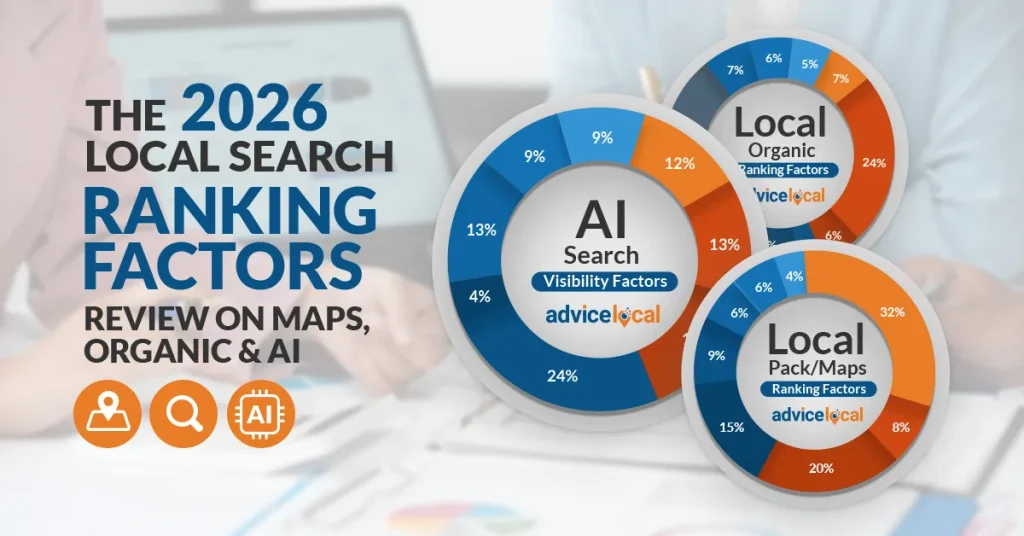
Some of the factors that influence local search rankings include:
- Content quality
- Keyword relevance
- Website organization
- User experience
- Page performance
- Topical authority
- Internal linking
Rather than focusing on one ranking factor, successful SEO strategies improve all of these areas together.
Start With Keyword Research
Every successful SEO campaign begins with understanding how customers search.
Your keyword research should identify phrases that combine your services with local intent.
Examples include:
- Roofing contractor Dallas
- Family lawyer Phoenix
- Kitchen remodeling Columbus
- HVAC repair Tampa
Question-based searches are equally valuable.
Examples include:
- How much does roof replacement cost?
- How long does bathroom remodeling take?
- When should I replace my water heater?
These searches create opportunities to publish educational content while targeting additional keywords.
Understand Search Intent
Not every visitor is looking for the same thing.
Some people want information.
Others are comparing businesses.
Many are ready to contact a company immediately.
Your content should reflect those different stages.
Examples include:
Informational Pages
- Beginner guides
- How-to articles
- Frequently asked questions
- Cost guides
Commercial Pages
- Service comparisons
- Buying advice
- Industry explanations
Transactional Pages
- Individual service pages
- Contact pages
- Quote request pages
Matching search intent improves the overall experience for visitors.
Create Comprehensive Service Pages
Each major service deserves its own page.
Rather than combining multiple services into one generic page, provide detailed information about each offering.
Include topics such as:
- What the service involves
- Common problems it solves
- Benefits
- Frequently asked questions
- Next steps
Comprehensive pages provide greater value and help search engines better understand your content.
Publish Helpful Educational Content
One of the best ways to improve local search rankings is by answering the questions your customers ask every day.
Consider publishing articles about:
- Cost estimates
- Maintenance advice
- Seasonal tips
- Industry trends
- Beginner guides
- Common mistakes
Educational content expands your keyword coverage while establishing your business as a trusted source of information.
Build Topic Clusters
Instead of creating isolated blog posts, organize your content into related groups.
For example, a home improvement business might publish articles covering:
- Roofing
- Gutters
- Windows
- Siding
- Insulation
- Exterior maintenance
Link these articles together naturally.
Topic clusters help demonstrate expertise while improving navigation.
Optimize Your Page Titles and Headings
Titles and headings make your content easier to understand.
Every page should include:
- A descriptive title
- One H1 heading
- Logical H2 sections
- Supporting H3 headings where appropriate
Include your primary keyword naturally without forcing it into every heading.
Improve Website Navigation
Visitors should never have to search for basic information.
A well-organized website helps users quickly find:
- Services
- Service areas
- Contact information
- Helpful articles
Simple navigation also helps search engines crawl your website more efficiently.
Strengthen Internal Linking
Internal links connect related content throughout your website.
Examples include:
- Linking beginner guides to service pages
- Connecting related blog posts
- Referencing additional educational resources
Good internal linking improves both user experience and topical authority.
Improve Website Performance
Website performance influences how visitors interact with your content.
Focus on:
- Fast page loading
- Mobile responsiveness
- Clear layouts
- Readable typography
- Simple navigation
A faster website often leads to better engagement.
Refresh Older Content
Publishing new content is important, but maintaining existing pages is equally valuable.
Review older articles periodically.
Update:
- Statistics
- Examples
- Images
- Internal links
- Headings
- New developments
Fresh content remains useful and competitive for longer.
Monitor Your SEO Performance
Successful SEO relies on ongoing measurement.
Review metrics such as:
- Organic traffic
- Keyword rankings
- Click-through rates
- Time on page
- Bounce rate
- Conversion rates
Data helps identify successful content and opportunities for improvement.
Common Mistakes That Hurt Local Search Rankings
Avoid these common issues.
Ignoring Search Intent
Always create content that matches what users want.
Publishing Thin Content
Detailed, informative pages usually outperform short summaries.
Keyword Stuffing
Use keywords naturally.
Focus on readability.
Weak Internal Linking
Help visitors discover related resources throughout your website.
Expecting Instant Results
SEO requires patience and consistency.
Long-term improvements usually outperform short-term tactics.
Best Practices for Improving Local Search Rankings
As you continue refining your strategy, keep these principles in mind:
- Research relevant local keywords.
- Understand customer intent.
- Create detailed service pages.
- Publish educational articles consistently.
- Organize content into topic clusters.
- Improve website usability.
- Strengthen internal links.
- Update existing content.
- Monitor your progress regularly.
These practices build a stronger foundation for sustainable organic growth.
Frequently Asked Questions
How long does it take to improve local search rankings?
SEO is a long-term strategy. While some improvements may have an impact within a few weeks, meaningful results often develop over several months of consistent optimization.
Should I publish new content regularly?
Yes. Consistently publishing helpful, relevant content gives search engines more opportunities to discover your website while expanding your keyword coverage.
Is keyword research still important?
Absolutely. Understanding the phrases your audience searches for helps you create content that aligns with their needs and improves your chances of appearing in relevant search results.
Do small businesses benefit from local SEO?
Yes. Local SEO helps businesses of all sizes compete for visibility within their service areas by focusing on relevance, quality content, and a strong user experience.
Conclusion
Learning how to improve local search rankings is about much more than adding keywords to your website. It’s about understanding your audience, creating valuable content, organizing your website effectively, and continuously improving the experience you provide to visitors.
The businesses that perform well in local search are rarely the ones chasing shortcuts. Instead, they’re the businesses that consistently publish useful resources, answer customer questions, refine their websites, and monitor their progress over time.
Remember that SEO is a marathon rather than a sprint. Every new article, every improved service page, and every update contributes to a stronger online presence. Stay committed to providing value, keep refining your strategy, and you’ll build a website that is well-positioned to earn greater visibility in local search for years to come.
Improving your local search rankings doesn’t happen overnight, but every optimization you make brings you one step closer to attracting more local customers. From researching the right keywords to creating valuable content and monitoring your progress, consistency is the key to long-term SEO success.
If you’re serious about growing your online visibility, having the right tools can make the process much easier. Track your keyword rankings, measure your progress over time, and gain the insights you need to make smarter SEO decisions.
Start your journey today by signing up for Rankscout and see how data-driven SEO can help you improve your local search performance with confidence.